+86-15103281217
Please Choose Your Language


Views: 0 Author: Site Editor Publish Time: 2025-11-07 Origin: Site


Imagine a hospital bed that adapts to your changing health needs, providing both acute and post-acute care. This is the essence of a swing bed hospital, a flexible healthcare solution. In this post, you'll learn what a swing bed hospital is and why these programs are vital in modern healthcare.
A swing bed is not a physical bed but a flexible hospital program that allows the same bed to be used for different care levels depending on patient needs. It “swings” between acute care and post-acute care, meaning a patient can transition smoothly from intensive hospital treatment to recovery-focused skilled nursing care without changing rooms or facilities. This program is especially valuable in smaller or rural hospitals, where resources and space may be limited.
Swing beds provide skilled nursing and rehabilitation services such as physical therapy, occupational therapy, wound care, and IV infusions. Patients typically enter swing bed care when they no longer require the full intensity of acute hospital services but still need medical supervision and therapy to regain strength and independence. This setup supports a patient’s recovery in a familiar environment, often close to home and family.
Acute care is the hospital's initial phase of treatment for serious illness or injury. It involves constant monitoring, advanced diagnostics, surgeries, and intensive medical interventions. Patients in acute care units usually have complex and unstable conditions requiring immediate and specialized attention.
Post-acute care, offered through swing bed programs, focuses on recovery and rehabilitation after the acute phase. It aims to restore patients’ functional abilities and prepare them for a safe return home or to another care setting. Post-acute care involves less intensive medical treatment but more therapy and nursing support tailored to the patient’s recovery goals.
The key differences include:
| Aspect | Acute Care | Post-Acute Care (Swing Bed) |
|---|---|---|
| Purpose | Treat serious illness/injury | Support recovery and rehabilitation |
| Intensity of Care | High, constant monitoring | Moderate, therapy-focused |
| Length of Stay | Shorter, until stable | Longer, until ready for discharge |
| Location | Hospital acute care units | Swing bed units within same hospital |
| Staff Expertise | Specialists, critical care nurses | Skilled nurses, therapists |
Swing beds bridge the gap between these two phases, allowing patients to stay in one place while their care changes focus. This continuity improves outcomes, reduces readmission risks, and lowers stress for patients and their families.
Swing bed programs offer a smooth shift from acute care to post-acute care without moving patients to another facility. This continuity means patients remain in the same hospital room while their care focus changes from intensive treatment to recovery and rehabilitation. It reduces the stress of relocation, lowers the risk of medical errors during transfers, and keeps patients close to familiar surroundings and loved ones. For example, a patient recovering from surgery can start physical therapy right where they were treated, ensuring a cohesive recovery plan.
Using swing beds is often more affordable than transferring patients to separate skilled nursing facilities or long-term care centers. Hospitals can maximize bed usage by adapting to patient needs without empty beds or costly facility changes. This flexibility reduces transportation expenses and administrative costs related to patient transfers. Additionally, for rural hospitals, swing bed programs help maintain financial stability by providing a steady revenue stream from extended care services. This cost-effectiveness benefits both healthcare providers and patients, who avoid extra charges associated with moving between facilities.
Swing bed programs emphasize tailored care that matches each patient's unique recovery needs. Care teams—including nurses, therapists, and doctors—collaborate to develop individualized plans covering physical therapy, wound care, occupational therapy, and other specialized services. Patients receive daily therapy sessions and ongoing assessments to adjust treatments as they progress. This personalized approach boosts recovery speed and quality, helping patients regain independence faster. For instance, a stroke survivor might receive customized speech and occupational therapies designed specifically for their challenges.
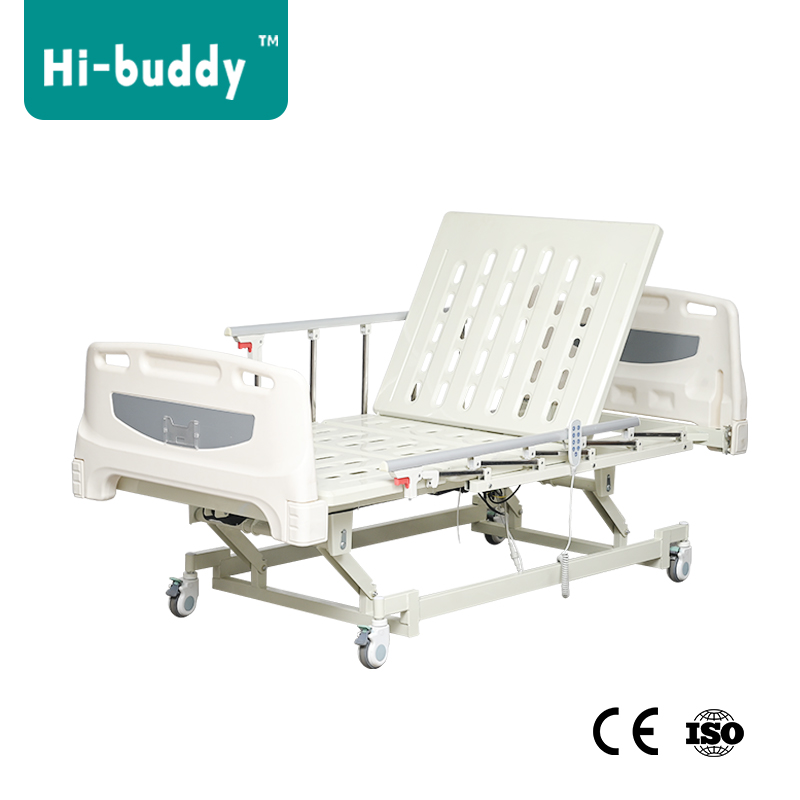
Swing bed hospitals play a vital role in making healthcare accessible for rural populations. In many rural areas, hospitals are few and far between, and transportation options are limited. Patients often face long travel times to reach urban hospitals for post-acute care or rehabilitation. Swing beds within local hospitals bridge this gap, providing essential services close to home.
This setup allows patients to stay in familiar surroundings, surrounded by family and friends. It reduces the physical and emotional stress of traveling long distances for care. For example, a patient recovering from a stroke can receive therapy and nursing support without leaving their community, which can significantly improve recovery outcomes.
Because swing beds are integrated into community hospitals, they make it easier for residents to access a wide range of services. These include physical therapy, wound care, and medication management. The proximity to home also means patients are more likely to stick with their treatment plans, attend follow-up appointments, and stay connected with their support systems.
Swing bed hospitals contribute significantly to the well-being and stability of rural communities. They provide a local healthcare resource that keeps vital medical services within the community. This helps prevent hospital closures, which have been a concern in many rural areas over recent decades.
Having a swing bed program also supports local employment. It creates jobs for healthcare professionals like nurses, therapists, and support staff. This, in turn, sustains the local economy and encourages more healthcare providers to practice nearby.
Furthermore, swing beds foster a sense of community trust. Residents know they can receive high-quality, personalized care without traveling far or feeling isolated. This trust encourages more people to seek timely medical attention, which can prevent complications and reduce hospital readmissions.
Many rural hospitals rely heavily on swing beds to maintain financial stability. The revenue generated from these services helps cover operational costs, keeping the hospital open and functioning. Without swing beds, some rural hospitals might face closure, leaving residents with even fewer healthcare options.
In addition, swing beds support local emergency preparedness. During crises like the COVID-19 pandemic, they proved essential for managing surge capacity. Hospitals could quickly adapt beds for different levels of care, ensuring ongoing service delivery during emergencies.
Swing bed hospitals serve as crucial healthcare hubs in rural communities. They improve access, support local economies, and foster community trust. By providing essential post-acute and rehabilitative services close to home, they enhance recovery outcomes and help sustain rural healthcare infrastructure. These hospitals exemplify how adaptable, community-centered care can address unique rural health challenges effectively.
Swing bed programs operate under a unique reimbursement framework primarily designed to support rural and smaller hospitals. The program allows hospitals to bill Medicare for both acute care and post-acute skilled nursing care using the same beds. This flexibility means the reimbursement "swings" depending on the patient's care level, even though the patient remains in the same bed.
For Critical Access Hospitals (CAHs), reimbursement is typically cost-based, meaning Medicare reimburses hospitals based on the actual costs incurred for patient care. This mechanism helps stabilize finances by covering expenses for both acute and post-acute care services within the same facility. In Prospective Payment System (PPS) hospitals, payment shifts from Diagnosis-Related Group (DRG) rates for acute care to per diem rates for swing bed care, reflecting the lower intensity of services during recovery.
This dual reimbursement approach benefits hospitals by:
Maximizing bed utilization without needing to build separate skilled nursing facilities.
Providing a steady revenue stream through extended patient stays in swing beds.
Allowing hospitals to offer comprehensive care, improving patient outcomes and satisfaction.
However, reimbursement complexities exist. For example, Medicare Advantage plans may reimburse differently than traditional Medicare, sometimes paying at rates similar to skilled nursing facilities, which can impact hospital revenues. Additionally, swing bed programs require patients to meet a three-day qualifying inpatient stay, although this requirement was waived during the COVID-19 public health emergency, demonstrating potential flexibility in policy.
Swing bed programs significantly influence the financial health of rural and small hospitals. By enabling longer patient stays for rehabilitation and recovery, these programs increase inpatient volume, which helps spread fixed costs over more patient days. This effect can lower the average cost per patient and improve overall hospital margins.
For many rural hospitals facing low acute care census, swing beds help stabilize staffing and operational costs. They provide predictable patient flow, which supports efficient use of nursing and therapy staff. This stability is crucial for hospitals operating on thin margins and in communities where access to post-acute care facilities is limited.
Moreover, swing bed revenue often accounts for a substantial portion of inpatient income. Studies have shown that in some Critical Access Hospitals, swing bed services contribute over 20% of inpatient revenue, with some hospitals relying on it for more than 30%. Without this income, many rural hospitals might struggle to maintain services or remain open.
The program also supports community economic health by keeping patients local, reducing transportation costs, and maintaining employment for healthcare professionals. In emergencies, swing beds provide surge capacity, allowing hospitals to adapt quickly to changing patient needs.
Despite its benefits, hospitals must navigate regulatory requirements and quality reporting expectations, which are evolving. Investing in quality measurement and demonstrating positive patient outcomes will be essential for sustaining reimbursement and program viability in the future.
Patients in swing bed hospitals enjoy a comfortable, supportive environment designed to promote healing and independence. Unlike traditional nursing homes, swing bed units often offer private rooms with bathrooms, televisions, and Wi-Fi access, creating a more home-like atmosphere. Many hospitals provide amenities such as nutritious meals tailored to patient needs, salon services, and recreational spaces including indoor therapy gyms and outdoor gardens.
Daily life revolves around personalized therapy sessions, which may include physical, occupational, speech, or recreational therapy. These sessions are scheduled regularly to help patients regain strength, mobility, and daily living skills. Nursing staff remain available 24/7 to monitor patients’ health, administer medications, and assist with wound care or IV therapies as needed.
The environment encourages patients to engage in activities that mirror real-life tasks, such as walking in the garden or practicing self-care routines, which builds confidence for returning home. The familiar setting of a hospital, combined with specialized care, helps reduce anxiety and supports a smoother recovery process.
Family involvement plays a crucial role in a patient’s recovery within swing bed programs. Hospitals encourage family members to visit often, participate in care planning meetings, and attend educational sessions that prepare them to support their loved one after discharge. This collaboration ensures that the care plan aligns with the patient’s home environment and lifestyle.
Families can also assist by providing personal items to decorate the patient’s room, creating a comforting space that feels familiar. Emotional support from loved ones has been shown to improve patient morale and motivation during rehabilitation.
Hospitals often offer guidance to families on how to help with the transition home, including training on medication management, mobility assistance, and recognizing signs that might require medical attention. This support network reduces readmission risks and helps patients maintain their progress after leaving the swing bed unit.
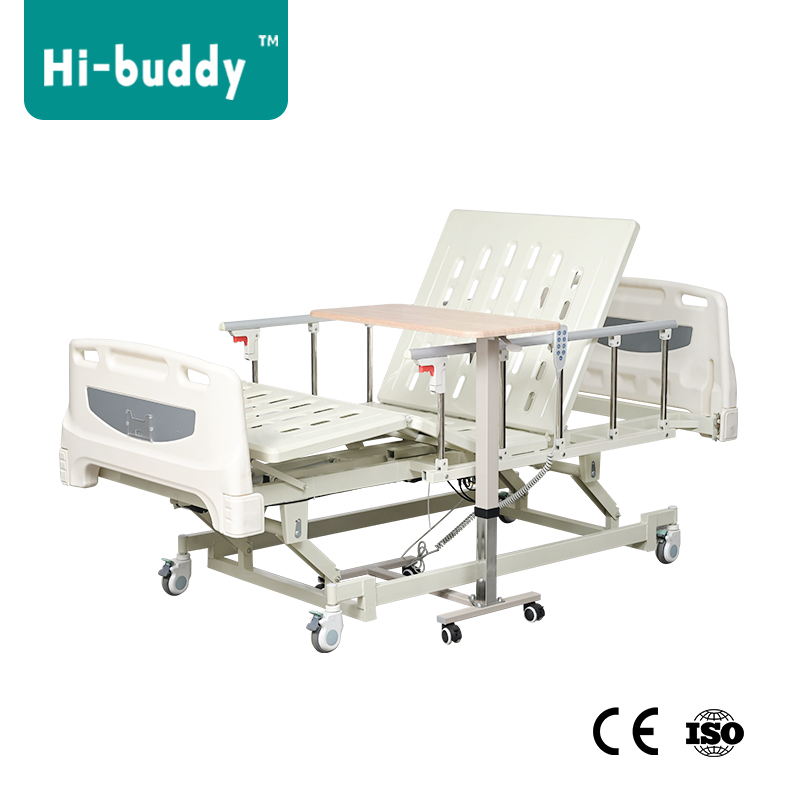
Swing bed programs face several hurdles that could impact their growth and effectiveness. One major challenge is the complex regulatory environment. While the program was designed to be flexible, hospitals must navigate a web of federal and state regulations, including Medicare rules, quality reporting requirements, and staffing standards. These rules can sometimes be confusing or burdensome, especially for small or rural hospitals with limited administrative resources.
Another issue involves staffing and training. Swing beds require highly skilled nurses, therapists, and support staff familiar with both acute and post-acute care. Recruiting and retaining such staff can be difficult, particularly in rural areas where healthcare professionals are scarce. Additionally, staff need ongoing training to stay current with evolving care standards, which can strain hospital resources.
Operational challenges include bed management and patient flow. Since swing beds are used flexibly for both acute and post-acute care, hospitals must carefully coordinate admissions, discharges, and care transitions. Mismanagement can lead to bottlenecks, underutilization, or overcapacity, affecting hospital efficiency and patient care quality.
Looking ahead, several modifications could enhance swing bed programs. Simplifying regulations could reduce administrative burdens, making it easier for hospitals to expand or improve their services. Policymakers might consider streamlining quality reporting or offering flexible staffing models tailored to rural settings.
Expanding telehealth and remote monitoring offers promising avenues. Incorporating technology can help staff deliver more personalized, efficient care, especially in remote areas. For example, virtual therapy sessions or remote vital sign monitoring could supplement in-person care, improving outcomes and reducing costs.
Another potential change involves adjusting reimbursement policies. Currently, reimbursement depends heavily on the type of hospital and patient care level. Future reforms might include more predictable, bundled payments or incentives for quality outcomes. This could encourage hospitals to invest in better care coordination, patient education, and community outreach.
Enhancing community integration stands as a key future goal. By partnering with local clinics, home health agencies, and social services, swing bed programs can create comprehensive, patient-centered recovery pathways. This approach can improve patient satisfaction, reduce readmissions, and support aging-in-place initiatives.
Finally, investing in data collection and research is crucial. Solid evidence on the clinical and economic benefits of swing beds will support policy changes and funding. Developing standardized quality metrics and sharing best practices across hospitals can help ensure consistent, high-quality care.
Swing bed hospitals offer seamless transitions from acute to post-acute care, enhancing recovery and reducing costs. They provide personalized care, crucial for rural communities, and stabilize hospital finances through unique reimbursement models. Emphasizing family involvement improves patient outcomes. Future enhancements include regulatory simplification and telehealth integration. Companies like Chibang optimize swing bed programs, offering innovative solutions that maximize patient satisfaction and hospital efficiency. Their products ensure quality care, making swing bed hospitals valuable for community health.
A: A swing bed hospital bed program allows a hospital bed to switch between acute and post-acute care, facilitating patient recovery without changing facilities.
A: It provides seamless transitions from acute to post-acute care, personalized recovery plans, and keeps patients close to home, enhancing comfort and recovery outcomes.
A: They optimize hospital bed usage, reduce transfer costs, and provide a steady revenue stream, benefiting both patients and healthcare providers.


