+86-15103281217
Please Choose Your Language


Views: 0 Author: Site Editor Publish Time: 2025-11-05 Origin: Site


Ever wondered what makes a hospital bed unique? Understanding hospital bed dimensions is crucial for patient comfort and care efficiency. In this article, you'll learn about standard sizes, types, and factors to consider when choosing a hospital bed for home use.
Hospital beds generally follow standard dimensions to suit most adult patients and healthcare settings. The typical size measures about 36 inches wide and 80 inches long. Height can vary but usually adjusts between 21 and 29 inches to help patients get in and out easily and assist caregivers during treatment.
Width: Around 36 inches (about 91 cm) — wide enough for comfort but narrow enough to fit through most doorways.
Length: Approximately 80 inches (about 203 cm) — similar to a twin XL mattress, accommodating most adults comfortably.
Height: Adjustable, typically from 21 inches to 29 inches (53 cm to 74 cm) — this flexibility helps with patient transfers and caregiver tasks.
These dimensions include the frame; the mattress usually adds 6 to 7 inches of thickness.
Standard hospital beds are similar in length to twin XL beds but narrower than many home beds like full or queen sizes. Regular beds often measure 38 inches wide for a twin or wider for larger sizes, while hospital beds focus on balancing patient comfort and medical accessibility.
Unlike regular beds, hospital beds adjust in height and sections (head and foot), which regular beds usually don’t offer. This adjustability is key for medical care, improving patient positioning and reducing risks like pressure sores.
Standard hospital bed sizes suit most adult patients, especially those with average height and weight. They fit well in typical home bedrooms and hospital rooms, making them a versatile choice.
Patients recovering from surgery or illness
Individuals with limited mobility needing assistance
Caregivers who require easy access for treatment
For patients who are taller, heavier, or need specialized support, wider or longer beds might be necessary. However, the standard size remains the most common and practical option for general use.
Tip: When selecting a hospital bed, measure your room carefully to ensure the standard 36" x 80" bed fits comfortably, leaving enough space for caregivers and medical equipment.
Hospital beds come in various sizes and styles to meet different patient needs. Understanding these types helps you pick the right bed for comfort, safety, and care efficiency.
Narrow hospital beds are designed for tight spaces. They measure about 30 inches wide but keep the standard length of 80 inches. These beds fit better in smaller rooms or homes with limited space. Despite being narrower, they still offer height adjustability and other features standard beds have.
Width: ~30 inches (76 cm)
Length: 80 inches (203 cm)
Height: Adjustable, similar to standard beds
These beds suit patients who don’t need extra width but require hospital bed functions. They also help caregivers move around easily in cramped rooms.
Bariatric beds support heavier patients needing extra space and stronger frames. Their width ranges from 42 to 54 inches, and length can extend up to 84 inches. These beds have higher weight capacities, often above 600 pounds (272 kg), to ensure safety and comfort.
Width: 42–54 inches (107–137 cm)
Length: 80–84 inches (203–213 cm)
Height: Adjustable, sometimes with wider range
They are ideal for patients with higher BMI or mobility challenges. The extra width allows easier repositioning and reduces pressure injury risks. Caregivers also benefit from better access around the bed.
The patient’s height and weight directly influence the bed choice. A standard hospital bed usually suits most adults, but:
Taller patients might need beds with length extensions or longer frames.
Heavier patients generally require bariatric beds with wider widths (42–54 inches) and higher weight limits (often 600+ pounds).
Using a bed too small can cause discomfort and increase risks like pressure sores. Conversely, a bed too large for a smaller patient might be hard to manage in tight spaces.
Measure the room carefully before selecting a bed. Consider:
The bed’s external width and length, including side rails and attachments.
Space for caregivers to move around comfortably — ideally, leave at least 3 feet (36 inches) on three sides.
Placement of medical equipment, mobility aids, and furniture.
A narrow hospital bed (around 30 inches wide) might be best for compact rooms, while larger beds require more clearance.
Think about the patient’s mobility and care requirements:
Patients needing frequent repositioning benefit from adjustable beds with height and angle controls.
Beds with side rails improve safety for those prone to falls.
Caregivers need easy access for treatments, so beds with smooth adjustability and space around help reduce strain.
Some beds offer attachments for IV poles, oxygen tanks, or over-bed tables, which can be vital for certain care plans.
Matching the bed features to care needs ensures a safer, more comfortable environment.
Selecting the correct mattress for a hospital bed is essential for patient comfort and safety. Hospital mattresses are specially designed to distribute pressure evenly, helping prevent bedsores and ulcers. Foam, gel, or air-filled mattresses are common options, each suited for different medical needs. For example, patients at risk of pressure injuries benefit from pressure redistributing mattresses that contour to their body shape.
The mattress’s thickness also matters. Standard hospital mattresses are about 6 inches thick, providing enough support without compromising adjustability. Thicker mattresses, up to 7 inches, can offer additional comfort for long-term use. When choosing a mattress, consider the patient's condition, mobility level, and whether medical devices like IV poles or oxygen tanks need to be accommodated.
Fitted sheets play a vital role in maintaining hygiene and ensuring patient comfort. Hospital bed sheets are designed to fit snugly around the mattress, preventing bunching or slipping. Properly fitting sheets reduce skin irritation, pressure points, and the risk of falls caused by loose bedding.
It's crucial to select sheets that match the specific size of the hospital bed. For standard beds measuring 36 inches wide and 80 inches long, fitted sheets with deep pockets—around 6 inches—are ideal. These pockets ensure a secure fit even when the bed is adjusted into different positions. Using the right size sheets also simplifies bedding changes and cleaning, maintaining a hygienic environment.
Certain medical conditions require specialized bedding to enhance patient care. For example, pressure-relief overlays or low air loss mattresses help manage severe pressure injuries or promote better airflow. These specialty mattresses often have unique dimensions, so fitted sheets must be compatible with their size and structure.
Bariatric patients, who need wider or more supportive mattresses, benefit from custom-sized sheets and bedding. Similarly, beds with adjustable features might require elastic or stretchable sheets to accommodate movement without slipping.
In addition, waterproof or antimicrobial bedding options are available for infection control and easier cleaning. These specialty bedding choices can significantly improve patient comfort, reduce risks of skin infections, and support overall recovery.
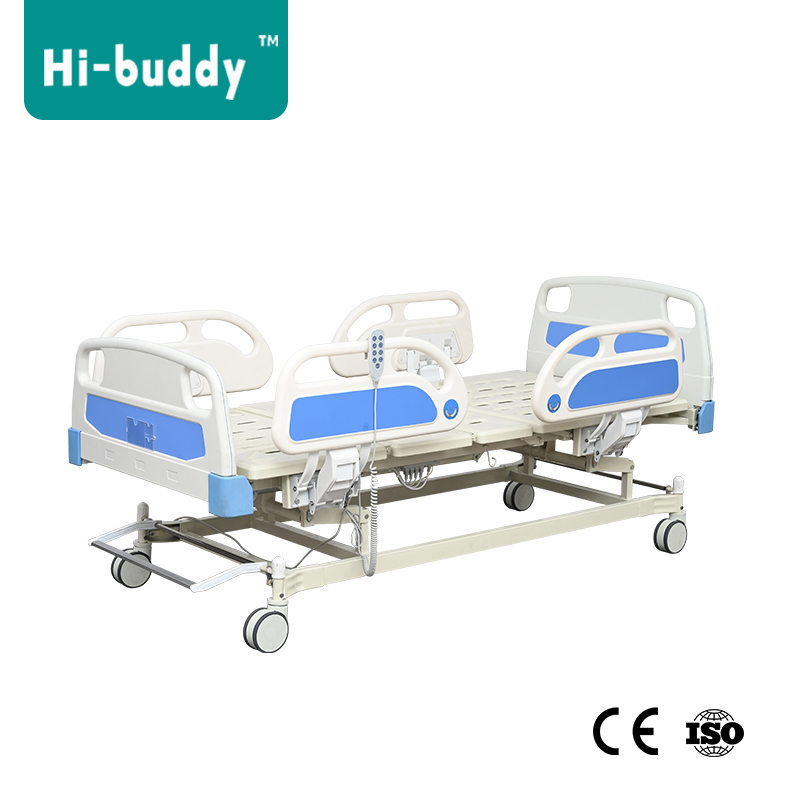
Hospital beds are designed with a variety of features to enhance safety, comfort, and ease of caregiving. Among these, adjustability is a key aspect that allows both patients and caregivers to customize the bed's position to suit medical needs and daily routines.
One of the most important features of modern hospital beds is their height adjustability. Most models can be raised or lowered, typically between 20 to 29 inches from the floor. This flexibility makes it easier for patients to get in and out of bed, reducing fall risks. It also helps caregivers perform tasks like dressing, bathing, or administering treatments comfortably and safely.
In addition to height adjustment, beds often feature adjustable head and foot sections. Raising the head can assist with breathing, digestion, or comfort during rest. Elevating the legs can promote circulation and reduce swelling. These angle adjustments are usually controlled via simple remote controls, allowing patients or caregivers to set the most comfortable position quickly.
Safety is a top priority in hospital bed design. Side rails act as barriers to prevent falls, especially for patients with limited mobility or those prone to confusion. Most hospital beds allow side rails to be raised, lowered, or completely removed depending on the situation. Some models include lockable rails, ensuring they stay in place when needed but can be easily moved when access is required.
Rails also serve as attachment points for medical devices, IV poles, or safety straps. This organization helps keep equipment secure and accessible, reducing clutter and trip hazards.
Hospital beds often come with various attachments to support specific medical needs. These include:
Over-bed tables: For eating, reading, or working while in bed.
Trapeze bars: Help patients reposition or transfer themselves.
Bariatric supports: For heavier patients, offering extra stability.
Specialized mattresses: Pressure-relieving or alternating pressure systems to prevent bedsores.
Monitoring devices: Built-in scales or sensors for continuous health tracking.
These accessories can usually be added or removed depending on the patient’s condition, making hospital beds highly adaptable.
Adjustability and safety features significantly improve patient care. Height and angle controls promote comfort and independence. Side rails protect against falls and facilitate equipment attachment. Additional devices enhance functionality, making hospital beds suitable for a wide range of medical and personal needs.
Tip: When selecting a hospital bed, prioritize models with easy-to-use controls, sturdy safety rails, and compatibility with necessary attachments to ensure optimal safety and comfort.
When it comes to acquiring a hospital bed for home use, you have two main options: buying or renting. Each choice has its own advantages depending on how long you need the bed and your budget.
Renting is usually best for short-term needs, such as recovery from surgery or temporary illness. Rental plans often last up to 20 weeks. Renting lets you avoid a large upfront cost and includes maintenance and delivery services. Make sure the supplier disinfects beds thoroughly between rentals for hygiene and safety.
Buying makes more sense for long-term or permanent use. Although the initial cost is higher, owning the bed can be more cost-effective over time. Buying also lets you customize features or choose specific models that fit the patient’s needs exactly.
Many insurance plans, including Medicare Part B, cover hospital beds classified as durable medical equipment (DME). Typically, Medicare covers about 80% of the cost after you meet your deductible. However, coverage usually requires a doctor’s prescription confirming medical necessity.
Before purchasing or renting, check with your insurance provider to understand the coverage details. Some plans may only cover certain bed types or brands, so confirm which models qualify. Also, inquire if your insurance covers delivery, setup, or accessories like mattresses and side rails.
Look for reputable medical equipment suppliers specializing in home hospital beds. Key factors to consider:
Range of options: They should offer various bed sizes and features to match patient needs.
Delivery and setup: Professional delivery and installation ensure the bed is safe and ready to use.
Maintenance and support: Reliable suppliers provide timely repairs and customer support.
Sanitization protocols: Beds should be cleaned and disinfected thoroughly between uses.
Flexible rental terms: If renting, check contract length and return policies.
You can find suppliers through hospital referrals, online directories, or local medical supply stores. Reading customer reviews and asking for recommendations helps ensure quality service.
Hospital beds come in various standard dimensions, typically measuring 36 inches wide and 80 inches long, with adjustable heights. These beds are designed to suit most adult patients and healthcare settings. When selecting the right hospital bed, consider patient size, room space, and care needs. It's crucial to consult professionals to ensure the best fit for comfort and safety. Chibang offers a range of hospital beds that provide value through quality and adaptability, enhancing patient care and caregiver efficiency.
A: A standard hospital bed measures approximately 36 inches wide and 80 inches long, with an adjustable height ranging from 21 to 29 inches.
A: Hospital beds are similar in length to twin XL beds but narrower, focusing on patient comfort and medical accessibility with adjustable features.
A: Height adjustability in a hospital bed aids patient transfers, reduces fall risks, and assists caregivers in performing medical tasks comfortably.


