+86-15103281217
Please Choose Your Language


Views: 0 Author: Site Editor Publish Time: 2025-11-10 Origin: Site


How much does a hospital bed weigh, and why does it matter? The weight of a hospital bed affects transportation and installation. In this post, you'll learn about different bed types, factors affecting their weight, and how to choose the right bed for your needs.
Manual hospital beds are the simplest type. They require caregivers or patients to adjust positions by hand, usually using cranks. Because they lack electric components, these beds are the lightest, typically weighing between 150 and 200 pounds. Their simpler construction means fewer parts and less metal, contributing to their lighter weight. This makes manual beds easier to move and transport, ideal for settings where electric power may be limited or for budget-conscious buyers.
Semi-electric beds combine manual and electric features. Usually, the height adjustment is manual, while the head and foot sections adjust electrically via remote control or buttons. This blend adds some weight compared to manual beds, generally ranging from 200 to 300 pounds. The electric components, such as motors and wiring, increase the bed's mass, but these beds still remain manageable for transport and setup. Semi-electric beds offer a good balance of ease of use and moderate weight, suitable for many healthcare environments.
Full-electric hospital beds provide the highest level of convenience. They allow users or caregivers to adjust the height, head, and foot sections entirely through electric controls. Due to their advanced motors, control systems, and additional features like built-in scales or storage compartments, these beds weigh the most—typically between 300 and 400 pounds. Some bariatric full-electric beds designed for heavier patients can weigh even more. Their weight reflects the robust materials and complex mechanisms required to support diverse patient needs safely.
Note: When choosing a hospital bed type, consider how the bed's weight affects transport, installation, and daily use to ensure it fits the care setting and patient needs.
Hospital beds are built using various materials that impact their weight significantly. Steel frames are common due to their strength and durability, but they add considerable weight. Some beds use lighter metals like aluminum, which reduce overall mass but might compromise strength. High-quality carbon steel, especially in bariatric beds, adds weight but ensures sturdiness for heavier patients. The thickness of the frame components also matters; thicker metal parts increase weight but improve load capacity and durability.
The construction style plays a role too. Modular designs with detachable parts might weigh less during transport but add to total assembled weight. Solid welded frames tend to be heavier but offer better stability.
Hospital beds often come equipped with features that add to their weight:
| Feature | Impact on Weight |
|---|---|
| Side Rails | Metal or reinforced plastic rails improve patient safety but add weight. |
| Mattresses and Bedding | Specialized medical mattresses, especially pressure-relief or bariatric types, contribute significantly to the total weight. |
| Electric Components | Motors, wiring, and control units for semi-electric and full-electric beds increase weight. |
| Storage Compartments and Attachments | Built-in drawers, IV pole holders, and trays add extra mass. |
| Integrated Scales | Some beds include weighing systems, which add mechanical and electronic parts. |
Each added feature enhances functionality but increases weight, affecting mobility and transportation.
Different manufacturers design beds with varying priorities, influencing weight differences even among similar types. For example, some brands focus on lightweight models for easier home use, while others prioritize durability and heavy-duty capacity, resulting in heavier beds.
Models vary in size and weight capacity, which also affects weight. A bed designed for higher weight limits uses stronger materials and reinforcements, adding to its mass. Additionally, beds with advanced features like battery backups or complex control panels weigh more due to extra components.
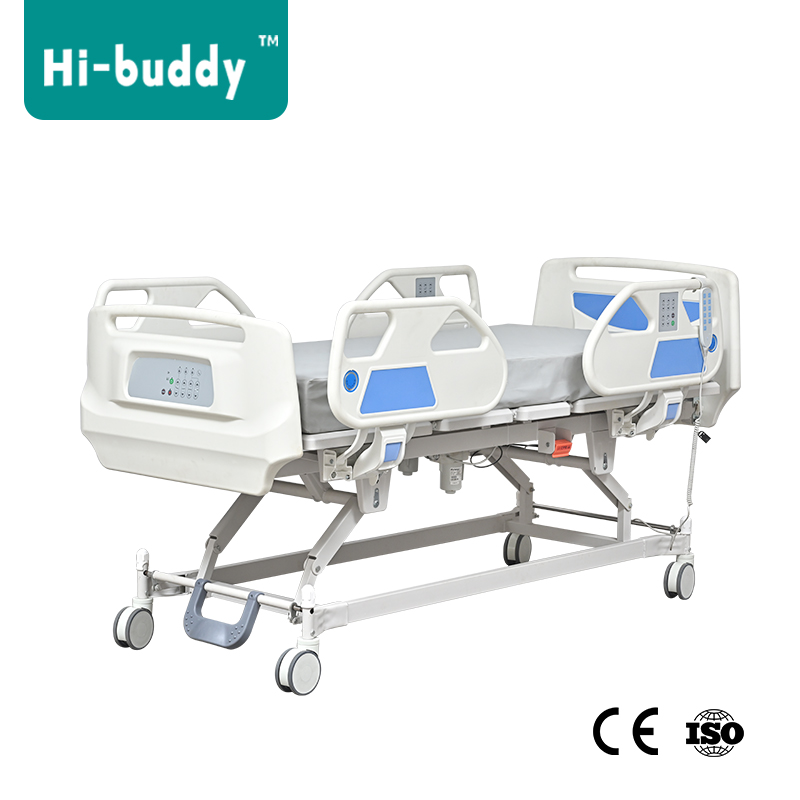
Bariatric hospital beds are specially designed for patients who weigh significantly more than average. These beds require unique design and engineering to safely support higher weight capacities while maintaining comfort and functionality.
Bariatric beds use reinforced frames made from thicker, high-quality carbon steel or heavy-duty alloys. For example, a typical bariatric bed frame might use 1.0 mm thick steel components, much thicker than standard beds. This ensures stability and durability under heavy loads, often supporting weights from 600 to 1,000 pounds or more.
The bed's legs and support structure also feature enhanced engineering. They often include wider bases and additional cross-bracing to prevent bending or tipping. Motors and actuators in electric bariatric beds are more powerful to handle the extra weight during adjustments.
Standard hospital beds usually support up to 350-450 pounds, weighing between 150 and 400 pounds depending on type and features. In contrast, bariatric beds weigh more due to their robust construction. A bariatric full-electric bed can weigh 350 pounds or more, sometimes exceeding 400 pounds depending on size and accessories.
The extra weight comes from:
Thicker steel frames
Stronger motors and mechanical parts
Larger, reinforced casters for mobility
Heavy-duty side rails and attachments
This makes bariatric beds heavier but necessary for safety and performance.
Bariatric beds often include features tailored for plus-sized patients:
Wider bed platforms: To accommodate larger body sizes comfortably.
Higher weight capacity mattresses: Foam or air mattresses designed to prevent pressure sores and provide support.
Integrated weighing scales: Some models have built-in scales for easy patient weight monitoring.
Trendelenburg and reverse Trendelenburg positions: For improved circulation and comfort during care.
Battery backup systems: Ensuring bed functions during power outages.
Quick-release side rails and CPR functions: For emergency situations requiring rapid patient access.
These features add to the bed's functionality but also contribute to increased weight.
Hospital bed weight directly influences how easily caregivers or patients can move and adjust the bed. Lighter beds, such as manual models weighing around 150-200 pounds, are generally easier to maneuver, especially in tight spaces or when frequent repositioning is necessary. These beds often feature casters or wheels that facilitate simple rolling, making them ideal for home healthcare or facilities with limited staff. Conversely, heavier beds—like full-electric models weighing 300-400 pounds—require more effort or specialized equipment to move. Their complex mechanisms and additional features add to their mass, which can hinder quick adjustments or repositioning without assistance.
Transporting hospital beds becomes more complex as weight increases. Manual beds, being lighter, are easier to load onto carts or vehicles, reducing transportation time and effort. Semi-electric beds, weighing between 200-300 pounds, may require additional help or lifting devices for safe movement. Full-electric beds, especially those with extra features like built-in scales or storage compartments, can weigh upwards of 350 pounds or more, demanding specialized transport solutions. Proper handling is crucial to prevent injury or damage during installation. For example, bariatric beds designed for heavier patients often feature reinforced frames and wider bases, further increasing their weight and complicating logistics.
In home healthcare, bed weight impacts both setup and daily use. Lighter beds are preferable for caregivers who need to frequently reposition or transport the bed within the home. They also reduce strain and risk of injury during handling. Heavier beds, while offering higher weight capacities and advanced features, may require professional installation or additional equipment like lifts or dollies. For patients with mobility issues, ease of adjustment is vital; beds that are too heavy may limit the ability to change positions independently or with minimal assistance. Therefore, selecting a bed involves balancing weight, functionality, and the caregiver’s capacity to manage the device safely.
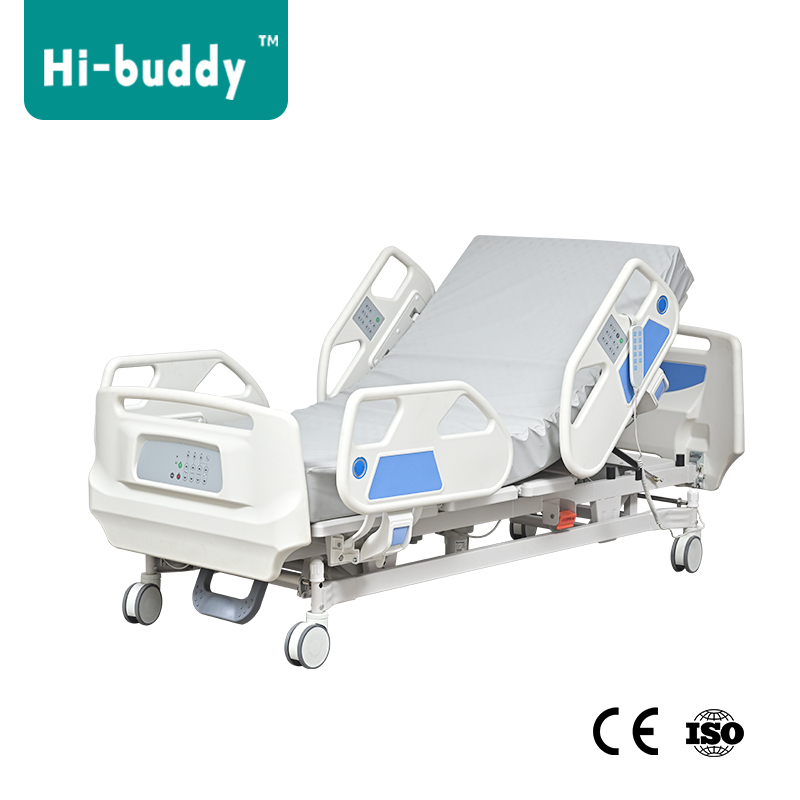
When selecting a hospital bed, understanding the patient's needs and the caregiver’s capabilities is crucial. The bed's weight plays a significant role in ensuring safety, ease of use, and proper functionality.
First, consider the patient's size, mobility, and specific health conditions. Heavier patients, especially those over 600 pounds, require bariatric beds designed for higher weight capacities. These beds are built with reinforced frames, thicker steel, and wider surfaces to support the extra load safely. For example, bariatric beds often support weights from 600 to 1,000 pounds or more, ensuring stability during movement and adjustment.
Next, evaluate the caregiver’s ability to move and adjust the bed. Lighter beds, such as manual models weighing around 150-200 pounds, are easier to reposition manually. They are ideal for home settings or facilities with limited staff. Conversely, heavier full-electric beds, which can weigh 300-400 pounds, often need specialized equipment like lifts or multiple caregivers for transportation and setup.
Caregivers should also think about the frequency of repositioning. Beds with electric adjustments, especially full-electric types, offer convenience but may be cumbersome to move due to their weight. Manual or semi-electric beds are more manageable but might lack some advanced features.
While heavier beds tend to include more features—such as adjustable height, side rails, built-in scales, and storage—they also demand more effort to handle. For example, a bariatric electric bed with a weight capacity of 800 pounds uses reinforced materials and larger motors, making it significantly heavier than standard beds. These extra features enhance patient comfort and safety but require careful consideration of transport and installation logistics.
On the other hand, lightweight beds often sacrifice some advanced features for easier handling. For instance, a manual hospital bed might weigh around 150 pounds but may lack electric adjustments or integrated scales. Deciding between weight and features depends on the patient’s needs, care environment, and available resources.
For heavy or bariatric patients: Choose reinforced, high-capacity beds supporting at least 600 pounds. Ensure the bed has a sturdy frame, wider surface, and robust motors if electric.
For mobility or home use: Opt for lighter beds, such as manual or semi-electric models, weighing between 150-300 pounds, which are easier to move and set up.
For facilities with limited staff: Prioritize beds with features that reduce manual effort, like electric adjustments, but ensure they are manageable in weight.
For patients needing advanced features: Consider beds with integrated scales, trendelenburg positioning, and quick-release mechanisms, but verify that their weight remains within manageable limits for your team.
By carefully assessing patient needs and caregiver capabilities, healthcare providers and families can select a hospital bed that offers the right balance of safety, functionality, and ease of use. Proper choice ensures better patient care and reduces risks associated with moving and adjusting heavy equipment.
Hospital beds vary in weight, influenced by their type and features. Manual beds are lighter, weighing 150-200 pounds, while full-electric models can reach 400 pounds. Consider the patient's needs and caregiver capabilities when selecting a bed. Heavier beds offer more features but require more effort to handle. Chibang offers hospital beds that combine functionality with manageable weight, ensuring value for healthcare providers and families. Their products prioritize safety and ease of use, enhancing patient care.
A: The average weight of a hospital bed varies by type: manual beds weigh 150-200 pounds, semi-electric beds 200-300 pounds, and full-electric beds 300-400 pounds.
A: Lighter hospital beds, like manual models, are easier to move, while heavier full-electric beds require more effort or equipment for transport and adjustment.
A: Bariatric hospital beds weigh more due to reinforced frames, thicker materials, and larger components designed to support higher weight capacities safely.


