+86-15103281217
Please Choose Your Language


Views: 0 Author: Site Editor Publish Time: 2025-11-15 Origin: Site


Imagine spending days confined to a hospital bed, feeling every ache and discomfort. Comfort is crucial for recovery, yet hospital beds often lack the necessary coziness. In this post, you'll learn how to transform a hospital bed into a haven of comfort. We'll explore mattress toppers, high-quality sheets, and other solutions to enhance your hospital experience.
When it comes to making a hospital bed more comfortable, mattress toppers play a crucial role. They add an extra layer of softness and support, which hospital mattresses often lack because they’re designed primarily for medical needs, not comfort.
There are several types of mattress toppers suitable for hospital beds:
Memory Foam Toppers: These contour to your body shape, easing pressure points and providing personalized support. They’re great for reducing joint and muscle pain.
Gel-Infused Toppers: These combine memory foam with cooling gel to help regulate temperature, preventing overheating during sleep.
Air-Overlays: These use air cells to alternate pressure, reducing the risk of bedsores for patients who stay in bed long-term.
Fiberfill or Down Alternatives: These add plush softness but may lack the pressure relief benefits of foam or gel.
Memory foam toppers are excellent for cushioning bony areas and improving overall comfort. They distribute weight evenly, which helps prevent pressure ulcers—a common concern for hospital bed users. Gel-infused toppers add the benefit of temperature regulation, making them ideal for those who tend to get hot or sweaty at night.
Both types improve sleep quality by reducing discomfort and helping the body relax. They also tend to be lightweight and flexible, allowing them to bend with adjustable hospital beds.
Thickness matters when selecting a topper. Generally, a topper between 2 to 3 inches thick offers a good balance of softness and support. Thinner toppers might not provide enough cushioning, while thicker ones can make it harder to adjust the bed or fit sheets properly.
For patients with more severe pressure concerns, thicker or specialized medical-grade toppers might be necessary. However, it’s important to ensure that the topper works well with the hospital bed’s adjustable features.
Choosing the right sheets for a hospital bed can make a big difference in comfort. Hospital sheets often feel rough and thin, which can irritate sensitive skin and make rest harder. Soft, breathable sheets help create a cozy environment that encourages better sleep and healing.
When picking sheets, look for natural materials like cotton or bamboo. Both are soft, breathable, and good at wicking away moisture. Cotton sheets are widely available and known for their softness and durability. Bamboo sheets offer a silky feel and have natural antibacterial properties, which can help keep the bed fresh.
Avoid synthetic fabrics like polyester, which can trap heat and cause sweating. Instead, choose sheets with a high thread count for a smoother, softer texture. For example, cotton sheets with a thread count between 200 and 400 strike a good balance of softness and breathability.
Hospital beds often use twin XL or other non-standard sizes. Using sheets that fit snugly is essential to prevent bunching or slipping, which can cause discomfort or even skin irritation. Sheets designed specifically for hospital beds usually have deeper pockets and stronger elastic bands to stay in place.
When buying sheets, check the bed’s mattress dimensions carefully. A proper fit also helps keep the mattress topper and pads in place, maintaining the overall comfort setup.
Hospital sheets go through frequent washing, so durability matters. Choose sheets that can withstand regular laundering without losing softness or shape. Pre-shrunk cotton or bamboo blends tend to hold up well over time.
To keep sheets feeling fresh and soft, use gentle detergents and avoid fabric softeners, which can leave residue and reduce breathability. Washing sheets in warm water and drying them on a low heat setting helps maintain the fibers.
Additionally, rotating between two or more sets of sheets allows each set to rest between uses, extending their lifespan and keeping the bed inviting.
Hospital beds often come with thin, utilitarian bedding that can feel cold and uncomfortable. Adding plush comforters and supportive pillows can transform the bed into a cozy retreat, improving rest and recovery.
A comforter should keep you warm without feeling heavy or bulky. Lightweight comforters made from down or down alternatives provide warmth while allowing air to circulate. This balance prevents overheating, which is common in hospital settings where temperature control varies.
Down alternatives, like microfiber or synthetic fills, are hypoallergenic and easier to clean, making them a practical choice for hospitals or home care. Look for comforters labeled as breathable or moisture-wicking to help manage sweat and maintain comfort throughout the night.
Pillows play a vital role in neck and head support, especially for patients spending extended time in bed. Memory foam pillows conform to the shape of your head and neck, providing customized support that reduces pressure points and helps maintain proper alignment.
Adjustable pillows, which allow you to change height or firmness, offer personalized comfort. These are ideal for people with specific needs or conditions like acid reflux or sleep apnea. They also help position the body to reduce strain and improve breathing.
For added comfort, consider pillows with removable, washable covers to maintain hygiene. Using multiple pillows can also help elevate limbs or support the back, enhancing overall comfort.
The key to comfortable bedding in a hospital bed is balancing warmth and breathability. Overly warm bedding can cause sweating and discomfort, while insufficient warmth can lead to chills and restlessness.
Layering a lightweight comforter over soft sheets allows easy adjustment of warmth levels. Using breathable fabrics for pillows and comforters helps regulate temperature and moisture. Avoid heavy, dense bedding that traps heat or restricts movement.
Regularly airing out comforters and fluffing pillows maintains their softness and prevents them from becoming flat or lumpy. This upkeep ensures consistent comfort over time.
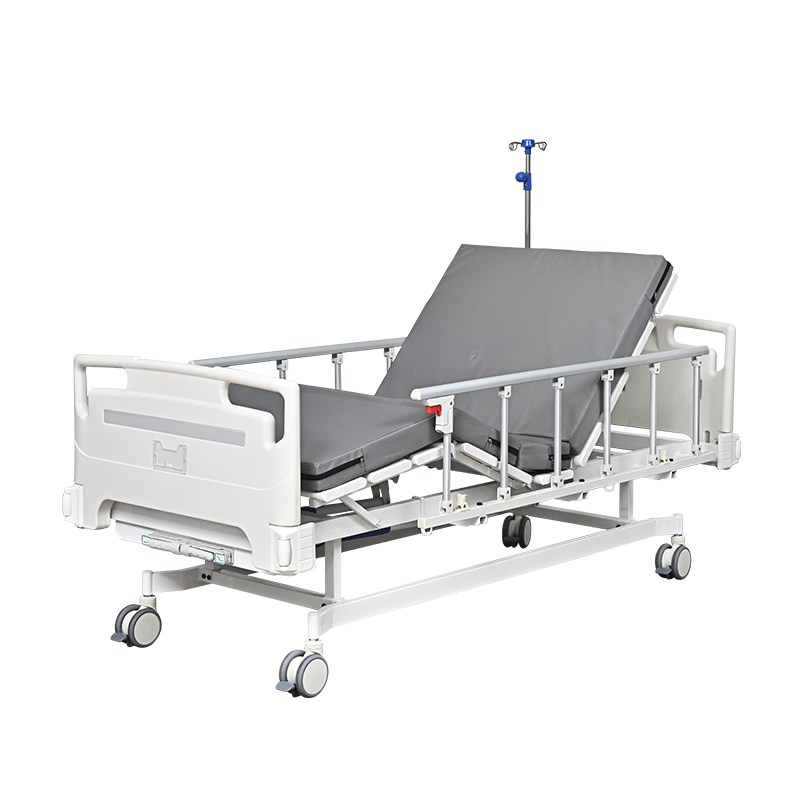
Hospital beds need protection against spills, stains, and germs, but adding pads and protectors doesn’t mean you have to give up comfort. In fact, the right mattress pads and protectors can boost softness and hygiene, making the bed more inviting and safe.
Mattress pads add a soft layer between the mattress and sheets. They cushion the body, reducing pressure points and improving overall comfort. Pads also absorb moisture, which helps keep the bed dry and fresh.
Many mattress pads come with quilted or plush surfaces that feel cozy against the skin. This extra padding can make a hospital bed feel less clinical and more like a home bed.
Besides comfort, mattress pads protect the mattress itself. They prevent stains from sweat, spills, or incontinence, which helps maintain hygiene and extends mattress life.
Waterproof mattress protectors are essential in hospital settings. They shield the mattress from fluids, preventing damage and promoting cleanliness.
Modern protectors use breathable materials that block liquids but allow air flow, so you don’t feel hot or sweaty. Look for odor-resistant fabrics, which help keep the bed smelling fresh even during long-term use.
Some protectors also have antimicrobial treatments to reduce bacteria and allergens. This feature is especially important in healthcare environments to lower infection risks.
One common concern is that waterproof protectors can feel stiff or noisy. However, many newer options use soft, quiet fabrics that don’t crinkle or irritate the skin.
When choosing a protector, prioritize those labeled as “soft-touch” or “cloth-like.” These offer the needed barrier without sacrificing comfort.
Also, consider the protector’s fit. It should cover the mattress snugly without bunching up, which can cause discomfort or skin irritation.
Hospital beds often sit in rooms where temperature control can be tricky. Getting the temperature right is key for comfort and good sleep, especially for those spending long hours or days in bed.
The ideal room temperature for sleep usually falls between 65°F and 70°F (18°C to 21°C). Too cold, and it can cause discomfort or chills; too warm, and sweating or restlessness might occur. Adjusting the thermostat or using fans or heaters can help maintain this range.
If you can’t control the room thermostat, consider portable options like electric fans or space heaters. These allow you to fine-tune the temperature around the bed without affecting the whole room.
Heated blankets provide warmth without bulk, perfect for those who get cold easily. They offer adjustable heat levels, so you can find your comfort zone. Just make sure they have safety features like auto shut-off.
Cooling sheets, often made of breathable materials like bamboo or moisture-wicking polyester, help keep the body cool. Some sheets even use special cooling technology, such as gel-infused fibers, to draw heat away from the skin.
Choosing bedding that supports your temperature needs can reduce tossing and turning, helping maintain deeper, more restful sleep.
Besides direct bedding temperature, the overall room environment matters. Humidity and air circulation affect how hot or cold you feel. Using a humidifier or dehumidifier can balance moisture levels, improving comfort.
Good air circulation prevents stuffiness and helps regulate temperature. Opening a window or using an air purifier with a fan can keep the air fresh and comfortable.
In hospital rooms, lighting and electronic devices can generate heat, so consider turning off unnecessary lights or gadgets when resting.
Hospital rooms often have bright, harsh lighting that can make it hard to relax or sleep well. Adjusting lighting and creating a soothing ambiance can greatly improve comfort and restfulness in a hospital bed.
Soft lighting helps calm the mind and body, making it easier to wind down. Instead of relying on overhead fluorescent lights, try using a bedside lamp with a warm-colored bulb. Lamps with dimmer switches allow you to control brightness levels, which is perfect for different times of day.
String lights or small LED candles can add a gentle glow without being too bright. These options create a cozy atmosphere, reducing the clinical feel of a hospital room.
Using lampshades or diffusers softens light and cuts down glare. This prevents eye strain and helps your body prepare for sleep by signaling it’s time to rest.
Hospital rooms often have large windows that let in daylight early in the morning or streetlights at night. Blackout curtains block outside light, helping maintain darkness during sleep hours. They also offer privacy, which is important for comfort.
If blackout curtains aren’t available, a sleep mask works well. It’s portable, inexpensive, and effective at blocking light. Choose one made from soft, breathable fabric to avoid irritation.
Using these tools can help regulate your body’s internal clock and improve the quality of sleep by minimizing disruptions caused by light.
Light exposure influences the body’s production of melatonin, a hormone that regulates sleep. Bright or blue-toned light suppresses melatonin, making falling asleep more difficult. On the other hand, dim, warm light encourages melatonin release and signals the brain to relax.
In hospitals, constant lighting or sudden bright lights during nighttime care disrupt sleep cycles. By controlling ambient lighting, patients can experience deeper, more restorative sleep.
Good lighting also reduces stress and anxiety, which are common in hospital stays. A calm environment supports healing and overall well-being.
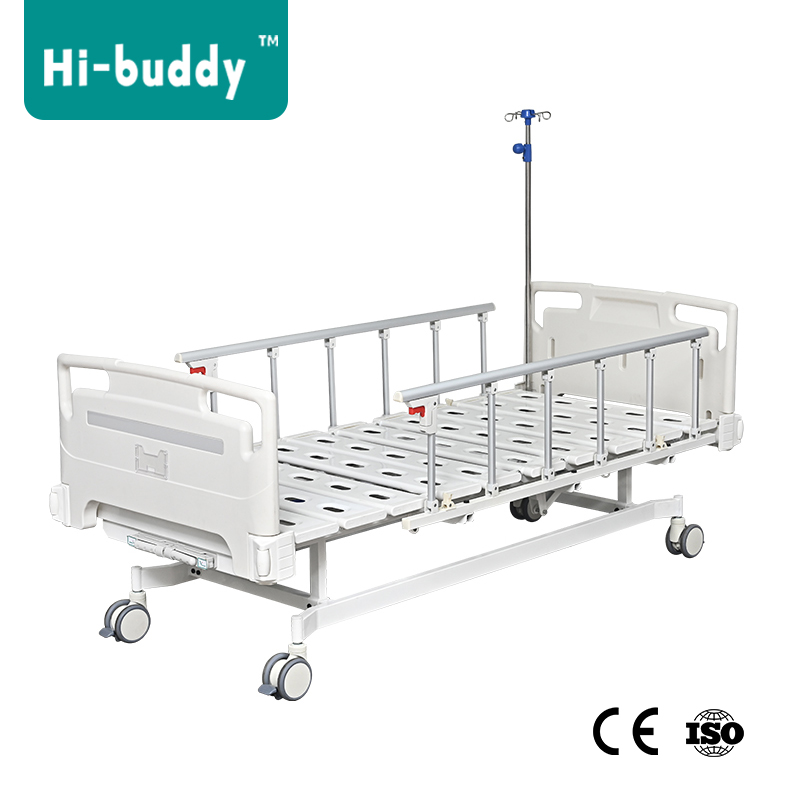
When it comes to comfort and support, traditional hospital beds can fall short, especially for long-term users or those seeking a more homelike experience. Fortunately, there are several alternatives that blend medical functionality with enhanced comfort.
Adjustable beds are a popular alternative for many patients and caregivers. They allow users to change the position of the head, legs, or entire bed with a remote or voice command. This flexibility helps improve circulation, reduce pressure points, and alleviate discomfort. For example, elevating the upper body can ease breathing issues, while raising the legs can reduce swelling.
Moreover, adjustable beds make it easier for caregivers to assist with mobility and hygiene tasks. They can be raised to a comfortable height for getting in and out, reducing strain on caregivers and patients alike. Many models also include features like zero-gravity positioning, which distributes weight evenly, mimicking the feeling of weightlessness—great for pain relief and relaxation.
Luxury hospital bed alternatives go beyond basic adjustability. These beds often incorporate features like massage functions, programmable positions, and memory foam mattresses. Some models come with built-in support rails, under-bed lighting, and even health monitoring systems. These features create a more comfortable, convenient, and safer environment for patients.
For example, a bed with massage settings can help relax tense muscles after a long day of recovery, while memory foam mattresses provide personalized support that reduces pressure sores. Advanced models may also include Bluetooth connectivity, allowing users to control the bed or monitor health stats via smartphone.
Switching to an adjustable or luxury hospital bed can significantly improve comfort, support, and overall quality of life. These beds help manage pain, prevent pressure ulcers, and make daily activities easier. For long-term users or those who prioritize comfort, exploring these alternatives offers a practical and beneficial upgrade.
Note: Always consider individual needs, mobility levels, and medical advice before choosing an alternative bed. Proper assessment ensures the best fit for health and comfort.
Enhancing comfort in hospital beds involves using mattress toppers, soft sheets, plush comforters, pillows, and temperature control. These strategies improve rest and recovery, addressing the discomfort often associated with traditional hospital beds. Exploring adjustable or luxury bed alternatives can further elevate the experience, offering features like massage and health monitoring. For those seeking the best in comfort and support, consider Chibang's products, which provide innovative, valuable solutions to transform hospital beds into cozy, healing spaces.
A: Memory foam and gel-infused mattress toppers are ideal for hospital beds, offering comfort and pressure relief while maintaining adjustability.
A: Use soft, breathable sheets made from cotton or bamboo with high thread counts to enhance comfort and prevent irritation.
A: Adjustable beds offer enhanced comfort with customizable positions, reducing pressure points and improving circulation compared to standard hospital beds.
A: A thickness of 2 to 3 inches provides a balance of softness and support without compromising bed adjustability.


