+86-15103281217
Please Choose Your Language


Views: 0 Author: Site Editor Publish Time: 2025-11-12 Origin: Site


Hospital beds are essential in healthcare, providing comfort and support for patients. But what happens when these beds need to be moved or repaired? Disassembling a hospital bed is crucial for maintenance, storage, or relocation. In this article, you'll learn about the tools, steps, and safety measures needed to efficiently disassemble a hospital bed.
Disassembling a hospital bed requires a specific set of tools to ensure the process is smooth and safe. Here are the essential tools you’ll need:
| Tool | Purpose |
|---|---|
| Screwdrivers | Both Phillips and flathead screwdrivers are necessary to remove various screws securing parts like the headboard, footboard, and side rails. |
| Allen wrench set | Many hospital beds use hex bolts that require Allen wrenches for removal. |
| Adjustable wrench | Useful for loosening nuts and bolts of different sizes, especially on the bed frame and casters. |
| Pliers | Help grip and turn stubborn bolts or hold components steady during disassembly. |
| Rubber mallet (optional) | Useful for gently tapping parts loose without causing damage. |
| Labeled plastic bags or containers | To organize and store small parts like screws, washers, and bolts safely. |
| Protective gloves | To protect your hands from sharp edges or pinches during disassembly. |
Before you start, set up a clean, spacious, and well-lit workspace. Clear any obstacles to move freely around the bed. Lay down a soft mat or blanket to place disassembled parts, preventing scratches or damage. Organize your tools nearby for easy access.
Make sure the area is dry and free from moisture, which could cause rust or damage to metal components during storage. Having a sturdy workbench or table can also help when handling smaller parts.
Safety is paramount when disassembling hospital beds. Here’s what to keep in mind:
Disconnect power: For electric beds, unplug the power cord before starting. This prevents accidental activation of motors or electric shock.
Wear gloves: Gloves protect your hands from sharp edges, pinches, or rough surfaces.
Use eye protection: Safety goggles can shield your eyes from dust or debris, especially when using power tools.
Work with a partner: Hospital beds can be heavy and bulky. Having another person helps prevent injuries and makes handling parts easier.
Follow manufacturer instructions: Always consult the bed’s manual for specific tool recommendations and disassembly steps to avoid damage.
Handle electrical components carefully: Label wires and connectors before disconnecting to ensure proper reassembly.
By preparing the right tools, workspace, and safety measures, you can efficiently disassemble a hospital bed while minimizing risks and protecting the equipment.
Start by ensuring the hospital bed is unplugged from the electrical outlet. If it’s an electric bed, this step is crucial to prevent accidental activation or electric shock. Always double-check that the power cord is fully disconnected before proceeding. Lower the bed to its lowest position to make disassembly easier and safer. This reduces strain on your back and makes handling parts more manageable. Never attempt to disassemble an electric hospital bed while it’s powered on or connected to electricity.
Next, carefully remove the mattress. Depending on the type, you might need to unzip a cover or release straps securing it. Lift the mattress off the bed frame gently, avoiding sudden movements that could damage the mattress or cause injury. Place it in a safe, clean area to prevent dirt or damage. Removing the mattress provides clear access to the bed’s frame and other components, making the disassembly process smoother.
Most hospital beds have headboards and footboards attached with screws or bolts. Use a screwdriver or Allen wrench to loosen and remove these fasteners. Once detached, lift the headboard and footboard away from the frame carefully. Store them in a designated area, keeping the screws and bolts organized in labeled bags or containers. This prevents parts from getting lost and simplifies reassembly later.
Side rails are typically secured with bolts or pins. Use a wrench or Allen wrench to loosen these fasteners. Carefully lift the side rails away from the bed frame. Keep track of small components like washers, nuts, or pins by collecting them in labeled containers. Removing the side rails reduces the size of the disassembled parts, making transportation or storage easier.
With the headboard, footboard, and side rails removed, focus on the main frame. Loosen any remaining bolts or screws securing the frame to the motorized components or casters. Gently lift or slide the frame off the base. Depending on the design, you might need assistance to support the weight. Once separated, place the frame in a safe area, ready for storage or transport.
For electric beds, disconnect all electrical parts. Carefully unplug wiring from the control box, motor, or other electrical connections. Label wires to ensure correct reassembly later. Follow manufacturer guidelines for safely removing control panels or displays. Handle wires gently to avoid damage or disconnection issues. Proper electrical disconnection is vital for safety and prevents damage to the system.
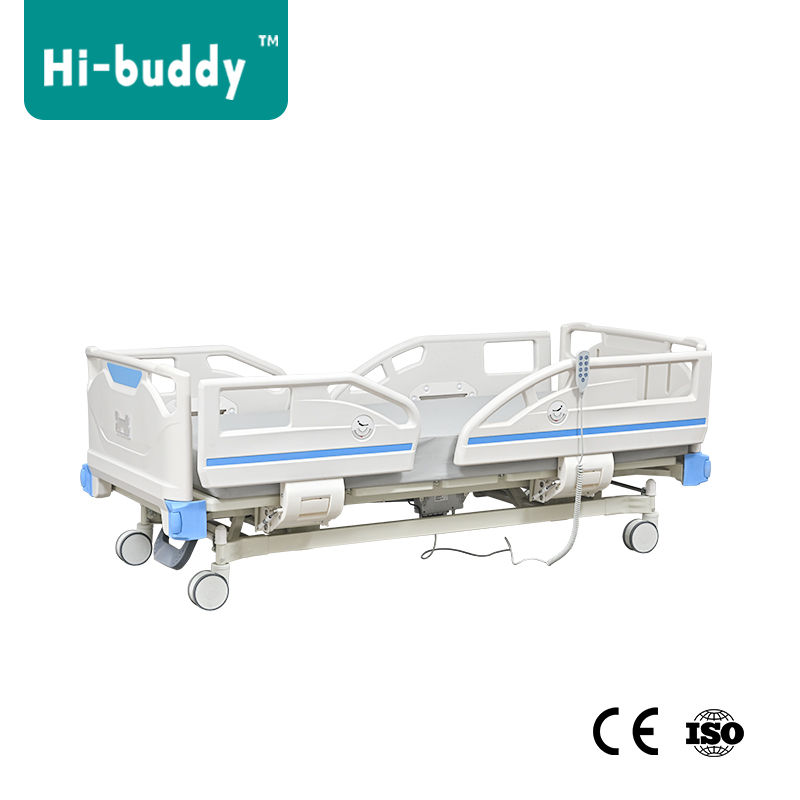
Once you’ve disassembled the hospital bed, keeping track of all parts is crucial. Label each component clearly as you remove it. Use masking tape or stickers to mark screws, bolts, and small hardware. Place these small parts in labeled plastic bags or containers to avoid losing them. For larger parts like the headboard, footboard, and side rails, assign a specific storage area or shelf. Creating an inventory list can also help you keep track of everything, making reassembly more straightforward.
Protecting the disassembled parts from damage during storage is essential. Lay soft blankets or foam padding under and between parts to prevent scratches and dents. Store metal components in a dry, well-ventilated area to avoid rust or corrosion. Avoid stacking heavy items on top of delicate parts to prevent bending or breaking. If you’re storing electrical components, keep them in anti-static bags or boxes to protect against moisture and dust. Proper storage prolongs the life of the bed and ensures all parts remain in good condition.
Organization is key to a smooth reassembly process. Group similar parts together, such as all screws in one container and bolts in another. Keep tools you used for disassembly handy, as you’ll need them again. Consider photographing each stage of disassembly to reference later during reassembly. Store the manufacturer’s manual or instructions with the parts for quick consultation. Labeling wires and connectors during disassembly also helps prevent confusion when reconnecting electrical components. Good organization saves time and reduces frustration when putting the bed back together.
Reassembling a hospital bed requires careful attention to the manufacturer's instructions. Always have the user manual or assembly guide on hand before starting. The instructions provide the correct order to attach parts, the type of fasteners to use, and torque specifications if applicable. Following these steps ensures the bed functions as designed and maintains safety standards.
Begin by laying out all disassembled parts and hardware in an organized manner. This helps you identify components and prevents missing pieces. Reconnect electrical components last, after the main frame and mechanical parts are securely assembled.
Once reassembled, checking the bed's stability is crucial. Test all bolts, screws, and connections to ensure they are tight and secure. Gently shake the bed frame to detect any wobbling or loose parts. Electrical components should be inspected for secure wiring and proper function.
Test the bed's adjustable features, such as raising or lowering the head and foot sections, to confirm smooth operation. Ensure side rails lock firmly and the mattress fits properly without shifting. Confirm that the bed is level and all casters or feet sit flat on the floor.
Reassembly can present challenges, especially if parts were not labeled or stored properly. Missing screws or incorrectly matched components can delay the process. Electrical connectors may be difficult to identify without clear labels.
Sometimes, bolts may be stiff or parts misaligned, requiring gentle tapping or adjustment. Over-tightening fasteners can strip threads or damage components, so use appropriate torque and tools.
If the bed has complex electrical systems, reattaching wiring incorrectly can cause malfunction or safety hazards. Take extra care to reconnect wires as labeled and consult the manual or a professional if unsure.
Disassembling a hospital bed can be essential for many reasons. Whether you're relocating, storing, repairing, or donating, taking the bed apart makes the process easier and safer. Here’s why disassembly is often necessary:
Hospital beds are large, complex pieces of equipment. Moving them through narrow doorways, hallways, or stairs can be challenging. Disassembly reduces their size, making transportation more manageable. It also prevents damage to walls or furniture during moves.
Sometimes, beds need repairs or maintenance. Disassembling allows technicians to access internal components, inspect parts, and replace worn or broken pieces. Regular cleaning and replacement of accessories like mattresses or side rails also require taking the bed apart.
Storage is another common reason. When beds are not in use, disassembling them helps save space. Instead of occupying a large area, parts can be stored compactly and organized for easy reassembly later. This is especially useful in facilities with limited space or during long-term storage.
Donations and resale also benefit from disassembly. Disassembled beds are easier to transport and handle, reducing logistics challenges. Properly stored and organized parts help ensure the bed can be reassembled quickly and correctly by the new user or facility.
Disassembly extends the lifespan of the bed by making maintenance easier. It allows for thorough cleaning, which is vital for hygiene, especially in healthcare settings. Disassembled parts can be inspected for damage or wear, preventing potential safety hazards.
It also facilitates safer and more efficient transportation. Large, bulky beds are difficult to move intact. Breaking them down into smaller parts minimizes the risk of accidents or injuries during handling.
Moreover, disassembly can help in customizing beds. For example, replacing or upgrading specific components like motors or side rails becomes more straightforward when the bed is in parts.
Relocation is the most common situation. Moving a hospital bed from one room to another, especially in a multi-story building, often requires disassembly.
When performing maintenance or repairs, disassembly grants access to internal parts, ensuring the bed remains safe and functional.
Long-term storage or space management calls for disassembly. If a hospital or care facility needs to free up space, taking beds apart helps organize storage efficiently.
Donating beds to charities or other organizations also involves disassembly. Smaller, manageable parts are easier to transport and reassemble at the new location.
In summary, disassembling hospital beds is a practical step in many scenarios. It promotes safety, efficiency, and longevity, making it an essential skill for healthcare providers, caregivers, and facility managers alike.
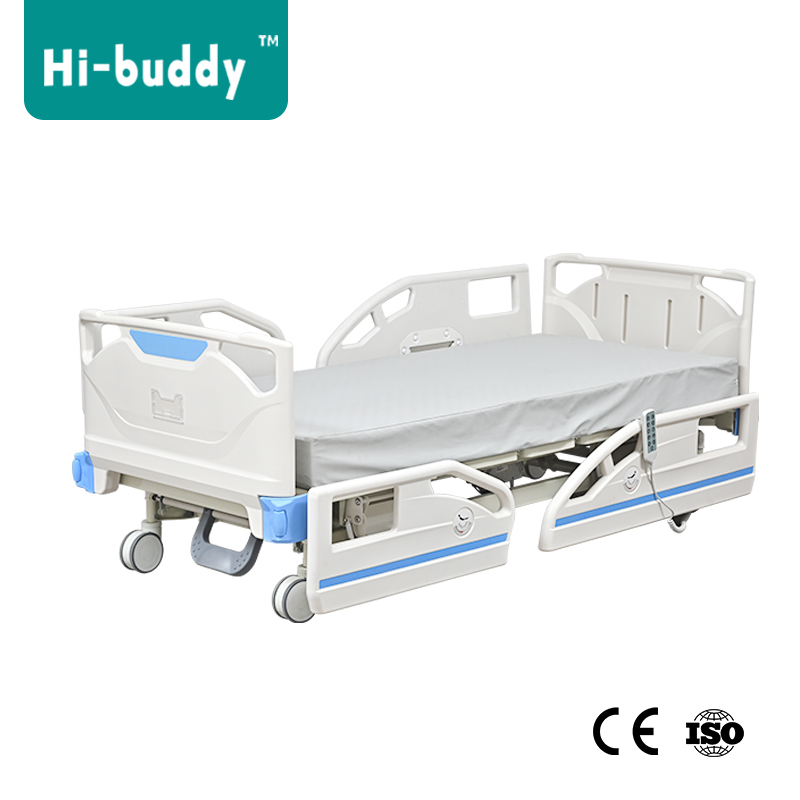
Electric beds have motors that adjust positions for head, foot, and height. Disassembly requires extra caution:
Always unplug the power before starting.
Disconnect control panels and wiring carefully.
Label wires to avoid confusion during reassembly.
Use proper tools to remove bolts securing motors or electrical components.
These beds are heavier; consider assistance during disassembly.
Designed for ease of use and safety, these beds often feature simple mechanical adjustments or light electric functions:
Remove accessories like side rails and mattresses first.
Use screwdrivers and wrenches to detach headboards and footboards.
Handle lifting mechanisms carefully to avoid damage.
Parts are generally modular, making disassembly straightforward.
These beds offer advanced features for critical patient care, including multiple motors, monitoring equipment, and safety locks:
Follow manufacturer instructions strictly due to complex systems.
Disconnect all electrical and electronic components carefully.
Keep track of safety features and locking mechanisms.
Disassemble in stages to maintain component integrity.
Children’s beds focus on safety and comfort, often with additional padding and specialized rails:
Remove all soft accessories before disassembly.
Pay attention to small parts and fasteners to prevent loss.
Use gentle tools to avoid damaging delicate components.
Label parts clearly to ensure safety features are restored on reassembly.
Disassembling a hospital bed involves key steps such as disconnecting power, removing the mattress, and carefully detaching components. Following safety protocols, like wearing gloves and using proper tools, ensures a smooth process. Efficient disassembly and reassembly are crucial for maintenance, storage, or relocation. Chibang offers hospital beds with unique features that make disassembly straightforward, providing value through ease of handling and durability. Their products and services cater to various healthcare needs, ensuring quality and reliability.
A: To disassemble a hospital bed, you'll need screwdrivers, an Allen wrench set, an adjustable wrench, pliers, a rubber mallet, labeled plastic bags, and protective gloves.
A: Ensure safety by disconnecting power, wearing gloves, using eye protection, working with a partner, and following the manufacturer's instructions while handling electrical components carefully.
A: Disassembling a hospital bed is essential for easier transportation, storage, maintenance, repairs, or when donating or reselling the bed.


