+86-15103281217
Please Choose Your Language


Views: 0 Author: Site Editor Publish Time: 2026-01-13 Origin: Site


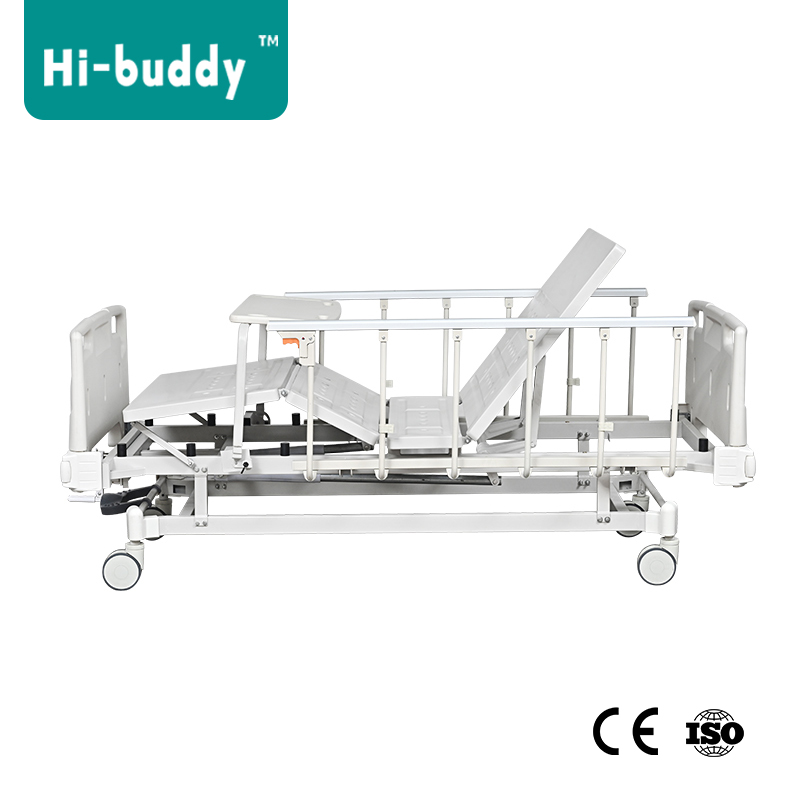
Did you know there are different types of medical beds designed to meet various patient needs? Understanding the differences can significantly impact both patient comfort and caregiver efficiency.
In this article, we will explore the three main types of medical beds: manual beds, semi-electric beds, and fully electric beds. You'll discover the features, benefits, and considerations for choosing the right one for your healthcare facility or home care needs.
Manual medical beds are the most basic and affordable option in healthcare. These beds do not require electricity to operate and are adjusted manually by caregivers using hand cranks. They provide essential functionality for basic patient care, making them a cost-effective choice for healthcare settings where electricity is not always available.
● Manual Adjustments: The head, foot, and height positions are adjusted manually by the caregiver, making it a simple but functional bed.
● Cost-Effective: Manual medical beds are the least expensive type, making them a popular choice for budget-conscious healthcare providers.
● Durable and Easy to Maintain: These beds have fewer components that can malfunction, making them easy to maintain and repair.
● Affordable Care: For healthcare facilities with limited budgets, manual beds are a practical and cost-effective solution.
● Simplicity: Manual beds are easy to use and maintain, and caregivers can quickly adjust the bed without the need for electrical systems.
Semi-electric medical beds offer a combination of manual and electric features. The head and foot sections can be adjusted with electric motors, while the height is manually adjusted using a hand crank. This makes them more versatile than manual beds while remaining affordable compared to fully electric options.
● Electric Adjustments: The head and foot sections are motorized for easy adjustments, reducing physical strain on caregivers.
● Manual Height Adjustment: The height of the bed is adjusted manually using a hand crank, which is simple and cost-effective.
● Moderately Priced: Semi-electric beds strike a balance between the functionality of electric beds and the affordability of manual ones.
● Affordable and Efficient: Semi-electric beds provide enhanced features like motorized adjustments without the high cost of fully electric models.
● Ideal for Moderate Care: These beds are perfect for healthcare facilities that need a higher level of adjustability for patients but want to keep costs under control.
Feature | Manual Beds | Semi-Electric Beds | Fully Electric Beds |
Power Requirement | No electricity needed | Electric for head and foot adjustments | Electric for all adjustments |
Ease of Adjustment | Manual adjustments only | Electric for head and foot, manual for height | Full electric adjustments |
Cost | Most affordable | Moderately priced | Most expensive |
Fully electric medical beds are the most advanced option, providing electric adjustments for the head, foot, and height. These beds offer the highest level of comfort, flexibility, and convenience for both patients and caregivers, making them ideal for high-care environments such as ICU or post-surgery recovery units.
● Complete Electric Adjustments: All sections, including the height, head, and foot, can be adjusted electrically, making it easier for patients and caregivers to find the perfect position.
● Advanced Features: Some fully electric beds come with additional features such as memory settings, side rails, and built-in massage systems to enhance patient comfort.
● Ease of Use: The remote control feature makes it simple for both patients and caregivers to adjust the bed with minimal effort.
● Improved Patient Comfort: Fully electric beds provide the most customizable positions, allowing for maximum comfort during recovery or daily activities.
● Reduced Caregiver Strain: The ability to adjust the bed easily reduces the physical strain on caregivers, improving their efficiency and reducing the risk of injury.
● Best for High-Care Settings: Fully electric beds are ideal for patients who require constant adjustments, such as those in intensive care or post-surgery.
Feature | Semi-Electric Beds | Fully Electric Beds |
Adjustability | Electric for head and foot | Full electric for head, foot, and height |
Comfort | Moderate comfort | Maximum comfort and customization |
Power Usage | Moderate | Highest among the three options |
Bariatric medical beds are specifically designed for patients who weigh more than the standard weight capacity of a regular bed. These beds are reinforced to support heavier patients, providing comfort and safety during recovery or daily activities.
● Reinforced Structure: Bariatric beds are built with stronger materials to support higher weight capacities, often up to 500 pounds or more.
● Larger Dimensions: These beds have wider frames and stronger motors, ensuring that they accommodate patients comfortably while offering full adjustability.
● Comfort and Safety: Bariatric beds often include extra-wide mattresses, making them more comfortable for heavier patients.
● Enhanced Comfort and Stability: These beds help bariatric patients maintain a comfortable position, which is essential for preventing pressure sores and improving overall comfort during recovery.
● Safety Features: Bariatric beds often come with added safety features like extra side rails and wider bed frames to accommodate larger patients.
ICU medical beds are highly specialized beds used in intensive care units to treat critically ill patients. These beds are equipped with advanced features such as integrated monitoring systems, emergency functions, and adjustable features that allow healthcare providers to cater to the complex needs of ICU patients.
● Advanced Monitoring Systems: Many ICU beds come equipped with built-in systems that allow healthcare providers to monitor vital signs such as heart rate and blood pressure.
● CPR Features: ICU beds often have special features, such as a CPR function, that can quickly flatten the bed in emergencies, allowing healthcare providers to perform CPR effectively.
● Enhanced Care Efficiency: The advanced features of ICU medical beds allow healthcare providers to continuously monitor and adjust a patient’s position, improving care efficiency.
● Improved Patient Outcomes: With ICU beds, medical staff can provide better comfort and treatment, which is crucial for critically ill patients who need frequent adjustments and monitoring.
Choosing the right medical bed is crucial for ensuring patient comfort and care efficiency. Factors such as the patient’s condition, the level of care required, and budget constraints all play a role in determining which type of bed is most appropriate.
● Patient Needs: Consider the patient’s specific medical conditions. For example, patients with mobility issues or those recovering from surgery may require electric beds for greater comfort and ease of positioning.
● Caregiver Needs: Ease of use for caregivers is another key factor. Beds that are easy to adjust reduce physical strain, making it easier for caregivers to manage daily tasks.
● Budget: Cost is an important consideration for many healthcare facilities. Manual beds are affordable, while semi-electric and fully electric beds offer more convenience at a higher price point.
Customizable medical beds allow healthcare providers to tailor patient care more effectively. Features such as adjustable height, reclining headrests, and foot adjustments can make a big difference in patient comfort and recovery.
● Adjustable Features: The ability to adjust the bed to various angles and positions helps patients maintain optimal comfort, which is essential for long-term care or post-surgery recovery.
● Customization for Specialized Needs: For patients with specific needs, such as bariatric patients or those requiring constant respiratory support, customizable medical beds offer the flexibility to meet these demands.
In conclusion, understanding the differences between manual, semi-electric, and fully electric medical beds helps healthcare providers choose the right bed for their patients' needs. Each type offers distinct benefits, from cost-effectiveness in manual beds to advanced comfort and support in fully electric options.
For high-quality, durable, and customizable medical beds, Hebei Chibang Medical Equipment Co., Ltd. provides solutions that enhance patient care and caregiver efficiency. Their medical beds are designed to offer comfort, support, and ease of use, meeting the diverse needs of healthcare environments.
A: A Full Fowler medical bed allows patients to be positioned at nearly a 90-degree angle, providing comfort and support, especially for those with respiratory issues, digestive concerns, or post-surgical recovery.
A: The Full Fowler position helps open the chest and improves lung expansion, making it easier for patients to breathe, especially those with conditions like COPD or sleep apnea.
A: Full Fowler beds provide superior adjustability, promoting better comfort, aiding digestion, and reducing the risk of aspiration. They are especially beneficial for patients requiring frequent position changes.
A: Full Fowler beds enhance patient comfort by allowing easy adjustments to head, foot, and height positions. This increases mobility, prevents bedsores, and supports faster recovery for patients.
A: Yes, Full Fowler beds are ideal for post-surgical recovery as they provide the necessary support for positioning patients comfortably while reducing pain and promoting healing.


