+86-15103281217
Please Choose Your Language


Views: 0 Author: Site Editor Publish Time: 2026-01-06 Origin: Site


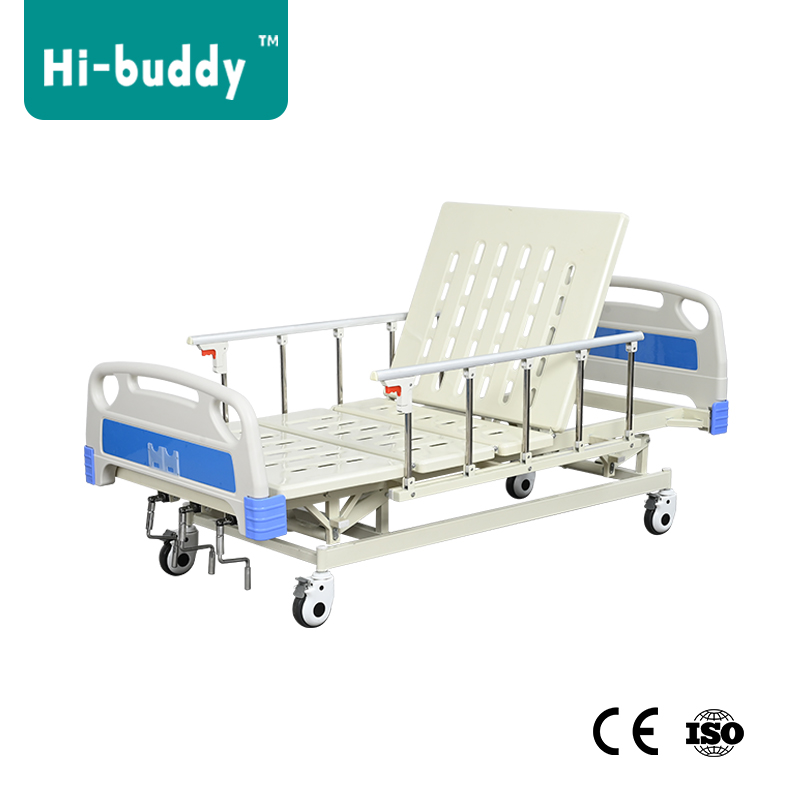
Are you curious about how much power an electric medical bed uses? Understanding the energy consumption of these beds can help healthcare providers optimize their operational costs without compromising patient care.
In this article, we will explore the factors that affect the electricity usage of electric medical beds. You'll also learn how to manage energy consumption efficiently while ensuring the best care for patients.
The core function of an electric medical bed lies in its ability to adjust and provide comfort to the patient. This is achieved through electric motors that control various actuators responsible for moving the bed's components. These motors play a critical role in the power consumption of the bed. The actuators adjust the height, head, and foot sections of the bed to accommodate the patient's needs. The motors use electricity to perform these actions, and their power consumption depends on factors like the complexity of the bed’s features and the frequency of use.
● How Motors Work: The motors used in electric medical beds are typically DC motors, which are both energy-efficient and quieter compared to AC motors. When a motor is used to move the bed, it can consume anywhere between 100 and 250 watts. The power usage increases as the bed’s adjustments become more frequent. The motor's power consumption is directly proportional to the size and complexity of the bed's system. For example, a bed with advanced positioning adjustments and additional features, such as massage systems or adjustable side rails, will naturally consume more energy.
● Power Range for Motors: On average, DC motors used in electric medical beds consume about 100-150 watts when active, making them relatively efficient. However, during more intensive operations (such as raising the bed’s height or adjusting the footrest), the power usage can surge, reaching up to 250 watts. This fluctuation depends on the load, the frequency of adjustments, and the complexity of the bed’s mechanisms.
One of the main advantages of electric medical beds is their ability to remain in standby mode when not in use, ensuring minimal electricity consumption when idle. However, even in standby mode, the bed still uses a small amount of electricity to maintain its readiness for use. This helps to ensure that the bed can be adjusted quickly when needed, without wasting unnecessary power.
● Minimal Power Use When Idle: In standby mode, electric medical beds are engineered to draw minimal power. Typically, this power usage is less than 1 watt, which helps reduce overall energy consumption. Modern electric medical beds are designed to be energy-efficient, ensuring that they do not waste power when the bed is not actively being adjusted.
● Standby Efficiency: The low standby power consumption is a key factor in making electric medical beds a cost-effective solution for healthcare facilities. Even though the beds remain plugged in and ready for adjustments, the energy they use when idle is minimal, contributing to significant savings over time.
Many electric medical beds come with additional features such as massage functions, air mattresses, and adjustable side rails. These features enhance patient comfort, but they also add to the bed's overall power consumption. These special features typically consume between 50 to 100 watts, depending on the intensity of the feature.
● How Special Features Impact Consumption: Features such as massage systems are designed to enhance the patient's relaxation, but they also use extra electricity to operate. Similarly, adjustable side rails and air mattresses that offer pressure relief can add power usage. However, the overall impact of these additional features is relatively small compared to the bed's total electricity consumption. While these features consume more power when activated, they also provide significant comfort and benefits to patients, making them a valuable addition to any medical bed.
Manual beds are the simplest form of medical beds. These beds do not require electricity as they are adjusted manually by caregivers. Semi-electric beds allow for some motorized adjustments (usually the head and foot sections) while still requiring manual effort for other functions. Fully electric beds, however, are entirely motorized, with all sections adjustable through electric motors, providing the highest level of convenience and comfort.
● Manual Beds: Manual medical beds require no electricity to operate, making them the most energy-efficient option in terms of power consumption. However, they lack the flexibility and ease provided by electric medical beds and may require more effort from caregivers to position the patient.
● Semi-Electric Beds: These beds consume 100 watts on average, as they require electricity only for specific adjustments, such as raising the head or foot. They are a good middle ground between fully manual and fully electric beds, offering some electric features without a high energy cost.
● Fully Electric Beds: Fully electric medical beds use more energy since they rely on electric motors to adjust the head, foot, and height of the bed. These beds consume between 100-250 watts, with the higher-end models utilizing more power due to their added features, such as advanced position memory, pressure relief functions, or adjustable rails.
The following table summarizes the power usage of these different types of medical beds:
Type of Bed | Power Consumption Range | Best Use |
Manual Beds | 0 watts (no electricity needed) | Ideal for basic care or low-budget settings |
Semi-Electric Beds | 100 watts | Suitable for moderate care needs |
Fully Electric Beds | 100-250 watts | Best for high-care environments, ICU rooms |
● How Often Adjustments Are Made: Medical beds that require frequent adjustments, especially in high-care environments, will consume more power. Frequent motor use—such as raising or lowering the bed or adjusting the headrest for comfort—increases energy consumption.
● Energy Consumption Based on Usage: Electric medical beds used for patients in recovery, who require frequent repositioning or adjusting, will naturally consume more power than those that are used less frequently. For example, a bed used for intensive care patients might need more adjustments, which means a higher electricity cost.
● Proper Maintenance: Regular maintenance is essential to ensure the electric medical bed continues to operate efficiently. Routine maintenance checks on the motor, battery, and electrical systems can help prevent unnecessary energy use and keep the bed functioning optimally for long-term use. Keeping the bed clean and checking for any malfunctioning parts can also prevent larger issues that may lead to increased energy consumption.
● Energy-Efficient Motors: Choosing an electric medical bed with energy-efficient motors can significantly reduce the overall electricity consumption. Regular maintenance of these motors ensures that they are operating at their maximum efficiency, thereby saving energy. A well-maintained bed uses less power, leading to reduced electricity bills for healthcare facilities.
● Optimizing Settings: Many modern electric medical beds come with energy-saving features such as automatic shutoff after periods of inactivity, helping reduce power usage when the bed is not in active use. Additionally, adjustment limits can be set to minimize excessive use of motors.
● Automation: Some electric medical beds come with automated systems that automatically adjust the bed’s position based on patient needs, ensuring energy efficiency by reducing unnecessary adjustments.
● Investing in Energy-Efficient Models: It’s important for healthcare facilities to choose energy-efficient medical beds from the start to lower electricity consumption in the long run. Beds with low-voltage systems or intelligent power controls are designed to reduce energy use without compromising patient care.
Tip | Description | Best Use |
Regular Maintenance | Keep the bed’s motors and components in optimal condition | Ensures long-term energy efficiency |
Energy-Efficient Settings | Use energy-saving features and automation to minimize consumption | Ideal for reducing electricity costs |
In conclusion, electric medical beds are a key investment in improving patient care and caregiver efficiency. These beds enhance patient comfort and mobility while reducing physical strain on caregivers. The ability to adjust the bed's height, head, and foot positions provides valuable benefits for both patients and healthcare providers.
For those seeking high-quality medical beds, Hebei Chibang Medical Equipment Co., Ltd. offers durable, customizable solutions that are designed to meet the unique needs of both patients and caregivers. Their commitment to providing reliable, energy-efficient medical beds ensures a high level of comfort and care in healthcare settings.
A: An electric medical bed is a bed designed with motorized adjustments, allowing for changes in the height, head, and foot positions to enhance patient comfort and mobility.
A: Electric medical beds operate using electric motors to adjust the bed's position. The user can change the bed’s height, head, and foot sections via a remote or control panel.
A: Electric medical beds offer better comfort and flexibility, enabling patients to adjust their position easily. This helps in relieving pain, preventing bedsores, and improving recovery times.
A: The cost of an electric medical bed can range from $1,000 to $5,000, depending on the model, features, and customization options. More advanced models with added features tend to be pricier.
A: Yes, electric medical beds are designed with energy-efficient motors and low standby power consumption, making them cost-effective for long-term use in healthcare facilities.


