+86-15103281217
Please Choose Your Language


Views: 0 Author: Site Editor Publish Time: 2025-12-30 Origin: Site


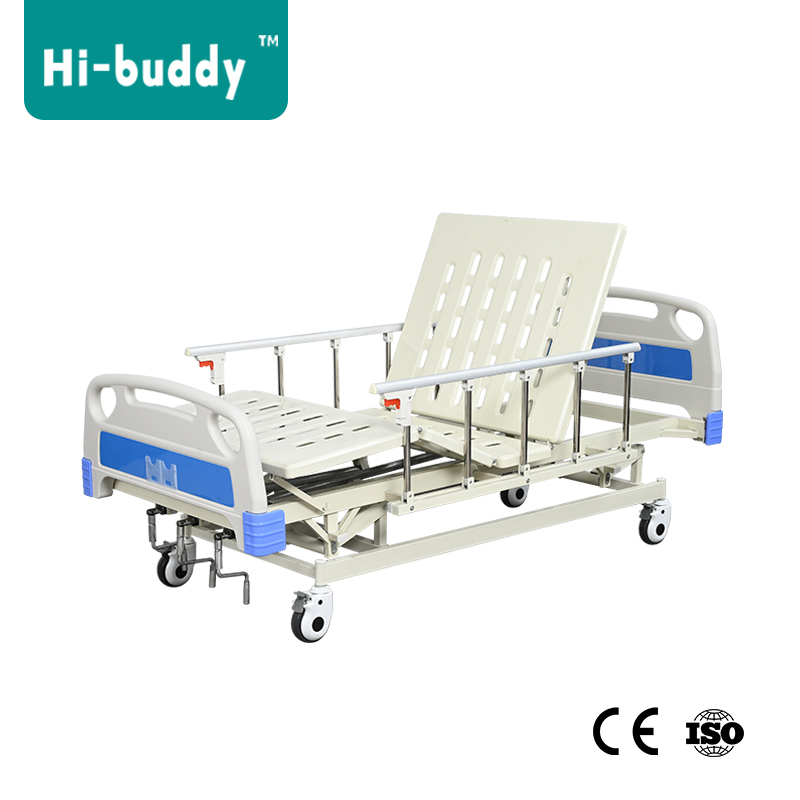
Have you ever wondered how an electric medical bed can improve patient comfort and care? These beds are designed to enhance both comfort and efficiency for patients and caregivers alike.
In this article, we’ll explore how electric medical beds work, the key components that make them function, and how they can benefit patient care. You’ll also learn about their advantages and how they are tailored to meet individual needs.
The electric motor is the heart of an electric medical bed, responsible for controlling its adjustments. These motors power the actuators, which are the mechanisms that change the position of the bed. The most common functions adjusted by these motors include the height, head tilt, and foot position.
● How Motors Function: Electric motors provide smooth, precise movements when adjusting the bed. By pressing a button or using a remote control, caregivers can easily raise or lower the head and foot sections of the bed. This allows for better comfort and positioning, especially for patients who need to remain in bed for extended periods.
● Motor Types: DC motors are often used in medical beds because they are quieter, energy-efficient, and capable of fine adjustments. These motors use direct current to operate and are typically more reliable for frequent use. AC motors, while less common, can be used in higher-powered beds for quicker adjustments.
Component | Description | Best Use |
DC Motors | Energy-efficient, quieter motors for smooth operation | Ideal for residential and hospital settings |
AC Motors | Powerful motors providing strong, fast movements | Suitable for more intensive medical environments |
Electric medical beds are powered by electricity through standard wall outlets, ensuring continuous operation. However, it’s crucial to have a battery backup system in place to ensure that the bed remains functional during power outages.
● Power Supply: The bed’s power supply system allows for easy operation without interruption. Most systems include low-voltage safety mechanisms to prevent electrical surges and ensure patient safety.
● Battery Backup: In the event of a power failure, many electric medical beds include battery backup systems. This ensures that the bed can still be adjusted, offering peace of mind during emergencies.
Component | Description | Best Use |
AC Power Supply | Powers the bed using a standard wall outlet | Continuous operation for bed adjustments |
Battery Backup | Ensures the bed functions during power outages | Keeps the bed operational during emergencies |
The frame of an electric medical bed is typically made from materials like steel or aluminum, ensuring strength, durability, and ease of movement. The material used for the frame is crucial for the overall weight and stability of the bed.
● Material Options: Steel is commonly used for its durability, especially in hospital-grade beds. Aluminum is lighter, making it easier to transport but still sturdy enough for general use. These materials are designed to withstand constant use while remaining easy to clean.
● Adjustability: Many electric beds are designed to be modular, meaning they can be easily adjusted to meet specific patient needs, such as accommodating different body types or adjusting for specific positions during medical procedures.
A key feature of any electric medical bed is its mattress, which plays a major role in patient comfort. The mattress needs to be compatible with the bed’s adjustment capabilities and provide adequate support for different positions.
● Pressure Relief: Pressure-relieving mattresses are used in electric medical beds to prevent the development of bedsores. These mattresses can be made from foam, gel, or air-filled materials, which help distribute the patient’s weight evenly.
● Customization: Custom mattresses can be designed for specific medical conditions, such as spinal issues, arthritis, or obesity. These mattresses often come with multi-zone designs for different body parts, ensuring maximum comfort and support.
Electric medical beds allow for easy adjustments, helping patients find comfortable positions for sleeping, resting, or undergoing treatment. Adjustments to the head and foot sections allow patients to sit upright or elevate their legs, which is particularly helpful for those with respiratory conditions, circulation problems, or those recovering from surgery.
● Patient Autonomy: Many electric medical beds offer remote control access, giving patients some independence in adjusting their position, which can help reduce feelings of helplessness.
● Caregiver Efficiency: For caregivers, the ability to adjust the bed’s position with ease reduces physical strain and enhances overall efficiency when performing tasks like repositioning patients or assisting with mobility.
The adjustability of electric medical beds also makes life easier for caregivers. For example, adjusting the bed to a comfortable height reduces the physical effort required to assist patients. This makes tasks such as feeding, changing sheets, or helping patients move much easier.
● Ergonomic Design: The height-adjustable features of many electric beds allow caregivers to set the bed at a comfortable level, reducing back strain and improving ergonomics during care.
Safety is a top priority when it comes to electric medical beds. Features like side rails, locking mechanisms, and anti-slip pads are incorporated into the design to keep the patient safe.
● Side Rails: Side rails are essential for preventing falls, especially for patients who may be disoriented or have difficulty moving. They can be adjusted or removed for easy access to the bed.
● Locking Mechanisms: Many electric beds come with lockable controls to prevent accidental adjustments by the patient or caregiver, ensuring that the bed remains securely in the desired position.
When choosing an electric medical bed, it’s important to consider the patient’s needs. For instance, does the patient need frequent repositioning? Is the patient bed-bound for long periods? Depending on the answers, you can adjust the bed’s features, such as its height, positioning capabilities, and the type of mattress.
● Space and Design: Ensure that the bed fits in the available space while meeting all necessary comfort and care requirements. Consider factors like ease of mobility and the bed’s width and length.
Many electric medical beds offer a variety of customization options. These include adjustable features like:
● Height adjustments: Makes it easier for caregivers to assist patients without straining their backs.
● Angle adjustments: Helps the patient remain in a comfortable position for sleep or treatment.
Some models may also offer advanced features such as automatic repositioning, memory settings, and Bluetooth controls.
Feature | Customization Options | Best Use |
Height Adjustment | Set the height for easy access and comfort | Ideal for caregivers and patient comfort |
Angle Adjustment | Adjust head, foot, and tilt angles | Improves circulation, comfort, and posture |
Maintaining your electric medical bed is crucial for ensuring it continues to function optimally. Regular cleaning of the bed frame, mattress, and controls helps prevent buildup of dust and bacteria. Ensuring that the motor and battery system are functioning well through regular inspections will prevent unexpected malfunctions.
Some common issues with electric beds include problems with the motors, such as failure to move or noise during operation. Battery problems can also occur if the bed isn’t charging properly. Troubleshooting these issues early can prevent bigger, more costly repairs.
Maintenance Tasks:
● Cleaning: It is essential to regularly wipe down the bed frame and mattress to ensure cleanliness. This should be done weekly or as needed, depending on the usage.
● Motor Check: Inspect the motors to ensure they are functioning properly. This includes checking for smooth movement and any unusual noises. Motor checks should be done on a monthly basis to prevent any potential issues.
In conclusion, electric medical beds offer essential features that improve the comfort and care of patients while also easing the burden on caregivers. With adjustable positions, customizable mattresses, and battery backup systems, these beds enhance mobility, safety, and overall well-being for both patients and healthcare providers.
For those seeking reliable electric medical beds, Hebei Chibang Medical Equipment Co., Ltd. offers durable, high-performance solutions. Their customizable beds are designed to meet the unique needs of patients and caregivers, ensuring quality care and enhanced comfort.
A: An electric medical bed is a bed designed with motors to allow easy adjustments of height, head, and foot positions to provide comfort and support for patients.
A: You can control an electric medical bed using a remote control or a built-in panel to adjust the bed’s position, ensuring optimal comfort and positioning for the patient.
A: Electric medical beds improve patient comfort, mobility, and safety. They also help caregivers reduce physical strain by providing easy adjustments for patient care.
A: The cost of an electric medical bed can vary depending on features, such as customization options, size, and material quality. On average, they range from $1,000 to $5,000.
A: Regularly clean the electric medical bed, inspect the motors, and check the battery backup to ensure it functions properly and lasts for a long time.


